March 3, 2026
International Partnership Summit 2026: Building Bridges for Global Social Justice
A comprehensive recap of our International Partnership Summit held in late February 2026, where representatives from 23 civic organizations across four continents gathered to discuss collaborative approaches to social justice, humanitarian aid, and policy advocacy.
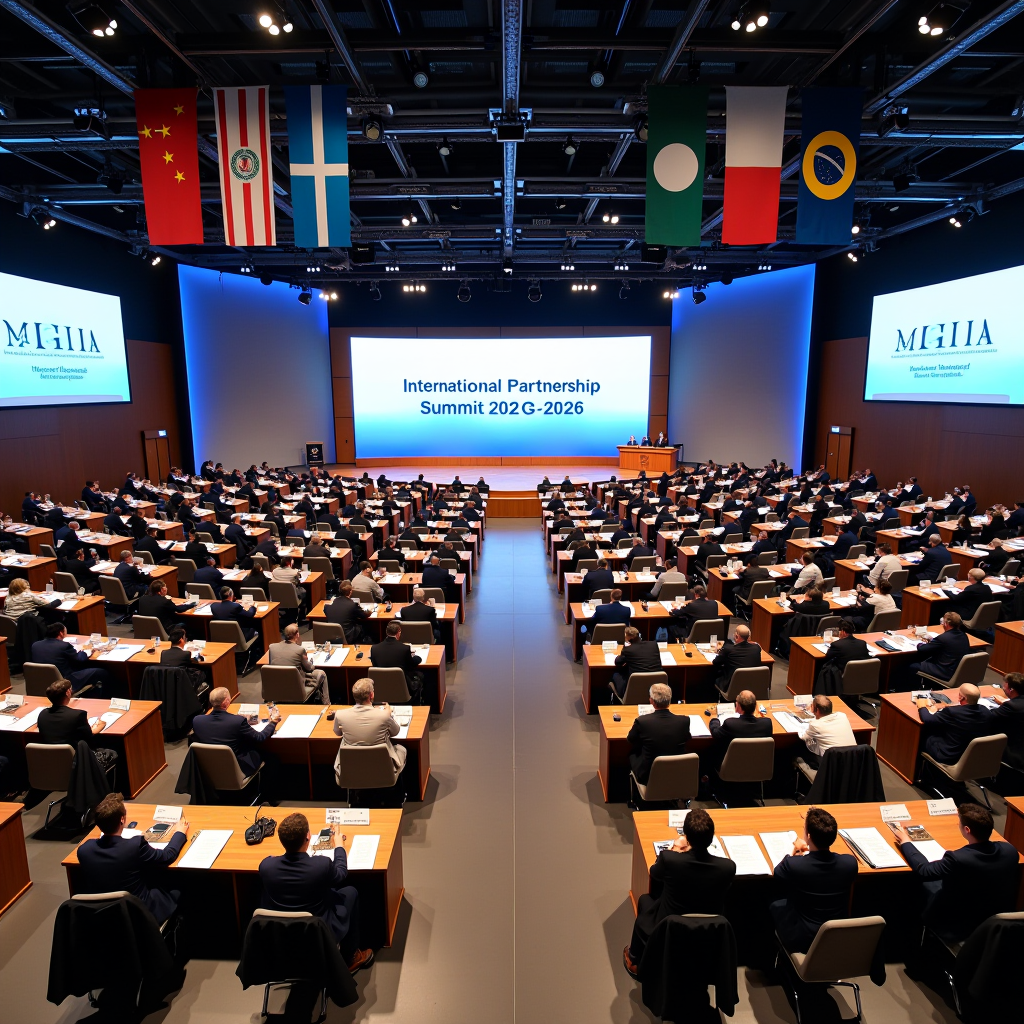
From February 24-27, 2026, the Knights of the Red Branch hosted its most ambitious gathering to date: the International Partnership Summit. This landmark event brought together 23 civic organizations from across North America, Europe, Africa, and Asia to forge new pathways for collaborative action on the world's most pressing social challenges. Held at our headquarters, the summit represented a pivotal moment in our organization's commitment to building a global network of civic engagement and social justice advocacy.
The four-day summit was designed to facilitate meaningful dialogue, establish concrete partnerships, and develop actionable strategies for addressing humanitarian crises, advancing policy reform, and strengthening civil society across borders. With representatives from organizations working in diverse contexts—from refugee resettlement programs in Europe to community development initiatives in sub-Saharan Africa—the summit created a unique space for cross-cultural learning and strategic collaboration.
Summit Overview and Participation
The International Partnership Summit welcomed 87 delegates representing 23 civic organizations from 19 countries. The participating organizations spanned a wide spectrum of focus areas, including human rights advocacy, environmental justice, economic development, education access, healthcare equity, and democratic governance. This diversity of expertise and experience created rich opportunities for interdisciplinary collaboration and innovative problem-solving.
North American participants included organizations working on indigenous rights, immigration reform, and criminal justice advocacy. European delegations brought expertise in refugee integration, social welfare policy, and anti-discrimination campaigns. African representatives shared insights from grassroots community organizing, anti-corruption initiatives, and sustainable development projects. Asian organizations contributed perspectives on labor rights, gender equality, and civic participation in emerging democracies.
The summit's structure balanced plenary sessions featuring keynote addresses and panel discussions with smaller working group meetings focused on specific thematic areas. This format allowed for both broad strategic conversations about the future of international civic cooperation and detailed tactical planning for joint initiatives. Evening networking sessions and cultural exchange activities fostered the personal relationships that form the foundation of effective partnerships.
Key Themes and Discussions
Collaborative Approaches to Humanitarian Aid
One of the summit's central themes was reimagining humanitarian aid delivery through collaborative, locally-led approaches. Delegates examined case studies of successful partnerships between international organizations and community-based groups, identifying best practices for ensuring aid reaches those most in need while respecting local autonomy and cultural contexts. Discussions highlighted the importance of long-term capacity building over short-term relief, emphasizing sustainable solutions that empower communities to address their own challenges.
Working groups developed frameworks for coordinated response to humanitarian crises, including protocols for rapid information sharing, resource pooling, and joint advocacy campaigns. Participants recognized that effective humanitarian aid requires not only material resources but also political advocacy to address root causes of displacement, poverty, and conflict. The summit produced a draft Humanitarian Partnership Charter outlining principles for ethical, effective, and equitable collaboration in crisis response.
Social Justice Advocacy Across Borders
The summit dedicated significant attention to strategies for advancing social justice through coordinated international advocacy. Delegates shared experiences from campaigns addressing systemic inequality, discrimination, and human rights violations in their respective contexts. These conversations revealed common patterns in how marginalized communities face similar challenges across different national and cultural settings, from economic exclusion to political disenfranchisement to violence and persecution.
Participants explored how international solidarity can amplify local advocacy efforts, providing moral support, material resources, and political pressure on governments and institutions. The summit established working groups focused on specific justice issues—including racial equity, gender rights, LGBTQ+ inclusion, disability justice, and economic fairness—to develop coordinated advocacy strategies. These groups will continue meeting virtually to share research, coordinate campaigns, and support each other's work.
Policy Reform and Democratic Governance
A major focus of the summit was strengthening democratic institutions and advancing policy reforms that promote equity, transparency, and accountability. Delegates discussed strategies for civic engagement in policy-making processes, from grassroots organizing and public education to direct lobbying and electoral participation. Organizations working in contexts with varying levels of democratic freedom shared insights about adapting advocacy tactics to different political environments while maintaining core principles of nonviolence and respect for human dignity.
The summit produced a comprehensive policy agenda identifying priority areas for international advocacy, including climate justice, migration rights, labor protections, healthcare access, education equity, and anti-corruption measures. Participants committed to supporting each other's policy campaigns through coordinated messaging, shared research, and mutual advocacy at international forums. The summit also addressed the growing challenges to democratic governance worldwide, developing strategies for defending civil liberties, protecting civic space, and countering authoritarianism.
Major Outcomes and Commitments
The International Partnership Summit concluded with several concrete commitments and action plans that will guide collaborative work in the coming years. These outcomes represent both immediate initiatives and long-term strategic partnerships designed to create lasting impact on global social justice efforts.
Establishment of the Global Civic Alliance
The summit's most significant outcome was the formal establishment of the Global Civic Alliance, a network of the 23 participating organizations committed to ongoing collaboration, mutual support, and coordinated action. The Alliance will operate through regional hubs in North America, Europe, Africa, and Asia, with rotating leadership and shared governance structures. Member organizations signed a founding charter outlining principles of partnership, including respect for local autonomy, commitment to equity and inclusion, transparency in operations, and accountability to affected communities.
The Alliance will facilitate regular communication among members, coordinate joint advocacy campaigns, pool resources for shared initiatives, and provide mutual support during crises. A small coordinating secretariat, hosted by the Knights of the Red Branch, will manage communications, organize quarterly virtual meetings, and plan annual in-person gatherings. The Alliance has committed to expanding membership to additional organizations that share its values and can contribute to its mission.
Joint Humanitarian Response Fund
Participating organizations committed to establishing a Joint Humanitarian Response Fund with an initial capitalization of $2.5 million, contributed by member organizations and supporting foundations. This fund will enable rapid, coordinated response to humanitarian crises, providing flexible resources that can be deployed quickly to support affected communities. The fund will prioritize locally-led initiatives and long-term recovery efforts over short-term relief, ensuring that aid contributes to sustainable development and community resilience.
A joint committee representing all four regional hubs will govern the fund, making decisions about resource allocation based on established criteria emphasizing need, local capacity, and potential for impact. The fund will also support capacity-building initiatives, helping smaller organizations develop the infrastructure and expertise needed to respond effectively to crises in their regions.
Coordinated Advocacy Campaigns
The summit identified three priority areas for coordinated international advocacy campaigns to be launched in 2026: climate justice and environmental protection, migration rights and refugee protection, and democratic governance and civic space. Each campaign will be led by a coalition of member organizations with relevant expertise, supported by the broader Alliance network. These campaigns will combine grassroots organizing, policy advocacy, public education, and strategic communications to advance concrete policy reforms at local, national, and international levels.
The climate justice campaign will focus on ensuring that climate policies address the disproportionate impacts on vulnerable communities and support a just transition to sustainable economies. The migration rights campaign will advocate for humane immigration policies, protection for refugees and asylum seekers, and pathways to legal status for undocumented individuals. The democratic governance campaign will work to defend civil liberties, protect civic organizations from government repression, and strengthen democratic institutions worldwide.
Knowledge Sharing and Capacity Building
Beyond immediate action plans, the summit emphasized the importance of ongoing knowledge sharing and capacity building among member organizations. Participants recognized that effective collaboration requires not only shared goals but also shared understanding of best practices, lessons learned, and emerging challenges. The Global Civic Alliance will facilitate this learning through multiple channels.
A digital knowledge platform will serve as a repository for research, case studies, training materials, and strategic resources developed by member organizations. This platform will enable organizations to learn from each other's experiences, adapt successful strategies to their own contexts, and avoid repeating mistakes. Regular webinars and virtual workshops will provide opportunities for skill-building and professional development, covering topics from fundraising and communications to community organizing and policy analysis.
The Alliance will also establish an exchange program enabling staff members from different organizations to spend time learning from their counterparts in other regions. These exchanges will deepen cross-cultural understanding, build personal relationships among Alliance members, and facilitate the transfer of expertise and best practices. Priority will be given to exchanges that support capacity building in organizations with fewer resources or less established infrastructure.
Looking Forward: Next Steps and Future Summits
As the International Partnership Summit concluded on February 27, participants departed with renewed energy and commitment to collaborative action for social justice. The coming months will be crucial for translating the summit's vision into concrete results. Member organizations have committed to regular progress updates on their implementation of summit commitments, with the first comprehensive review scheduled for June 2026.
The Global Civic Alliance will hold its first virtual assembly in May 2026 to finalize governance structures, approve operating procedures, and launch the priority advocacy campaigns. Regional hubs will begin meeting monthly to coordinate activities within their geographic areas and identify opportunities for cross-regional collaboration. The Joint Humanitarian Response Fund will become operational by April 2026, with initial grants expected to be awarded by mid-year.
Planning is already underway for the second International Partnership Summit, tentatively scheduled for February 2027. This gathering will assess progress on commitments made at the inaugural summit, welcome new member organizations into the Alliance, and identify emerging priorities for collaborative action. The 2027 summit will be hosted by one of the European member organizations, reflecting the Alliance's commitment to shared leadership and geographic diversity.
The success of the International Partnership Summit demonstrates the power of collaboration in advancing social justice and humanitarian goals. By bringing together diverse organizations with complementary expertise and shared values, the summit created a foundation for sustained, coordinated action on the world's most pressing challenges. The Global Civic Alliance represents a new model for international civic cooperation—one that respects local autonomy while harnessing the power of collective action, that values diverse perspectives while maintaining shared principles, and that balances immediate needs with long-term systemic change.
The International Partnership Summit marks a pivotal moment in our organization's history and in the broader movement for global social justice. We are grateful to all participating organizations for their commitment, expertise, and vision. Together, we are building a more just, equitable, and compassionate world.
Published on March 3, 2026 | International Peace & Security, Public Policy & Advocacy