January 28, 2026
Humanitarian Efforts in Eastern Europe: A Comprehensive Report on Our January 2026 Mission
As winter deepened across Eastern Europe in January 2026, the Knights of the Red Branch mobilized a comprehensive humanitarian response to support displaced families and vulnerable communities. This detailed account chronicles our organization's multifaceted efforts, from establishing educational programs to distributing essential supplies, and highlights the powerful partnerships that made this mission possible.
Building Bridges: Community Partnerships That Transform Lives
The foundation of our January 2026 mission rested on the strength of local partnerships. Understanding that sustainable humanitarian work requires deep community engagement, we collaborated with fifteen local organizations across three countries, creating a network of support that extended far beyond traditional aid distribution. These partnerships enabled us to identify the most pressing needs, navigate cultural sensitivities, and ensure that our assistance reached those who needed it most.
Our collaboration with the Eastern European Civic Alliance proved particularly transformative. Together, we established community centers in four major cities, creating safe spaces where displaced families could access resources, connect with social services, and find solidarity with others facing similar challenges. These centers became more than distribution points; they evolved into hubs of hope where families could begin rebuilding their lives with dignity and support.
Local community leaders played an instrumental role in shaping our approach. Through weekly coordination meetings, we learned about specific regional needs, from the shortage of winter clothing in northern areas to the critical need for medical supplies in rural communities. This collaborative framework ensured that our international resources complemented rather than duplicated local efforts, maximizing the impact of every contribution.
The partnership model we developed emphasized capacity building alongside immediate relief. We trained 127 local volunteers in emergency response protocols, supply chain management, and trauma-informed care. This investment in human capital ensures that communities will be better equipped to respond to future crises independently, embodying our commitment to sustainable development and local empowerment.
Essential Supplies Distribution: Meeting Immediate Needs with Precision
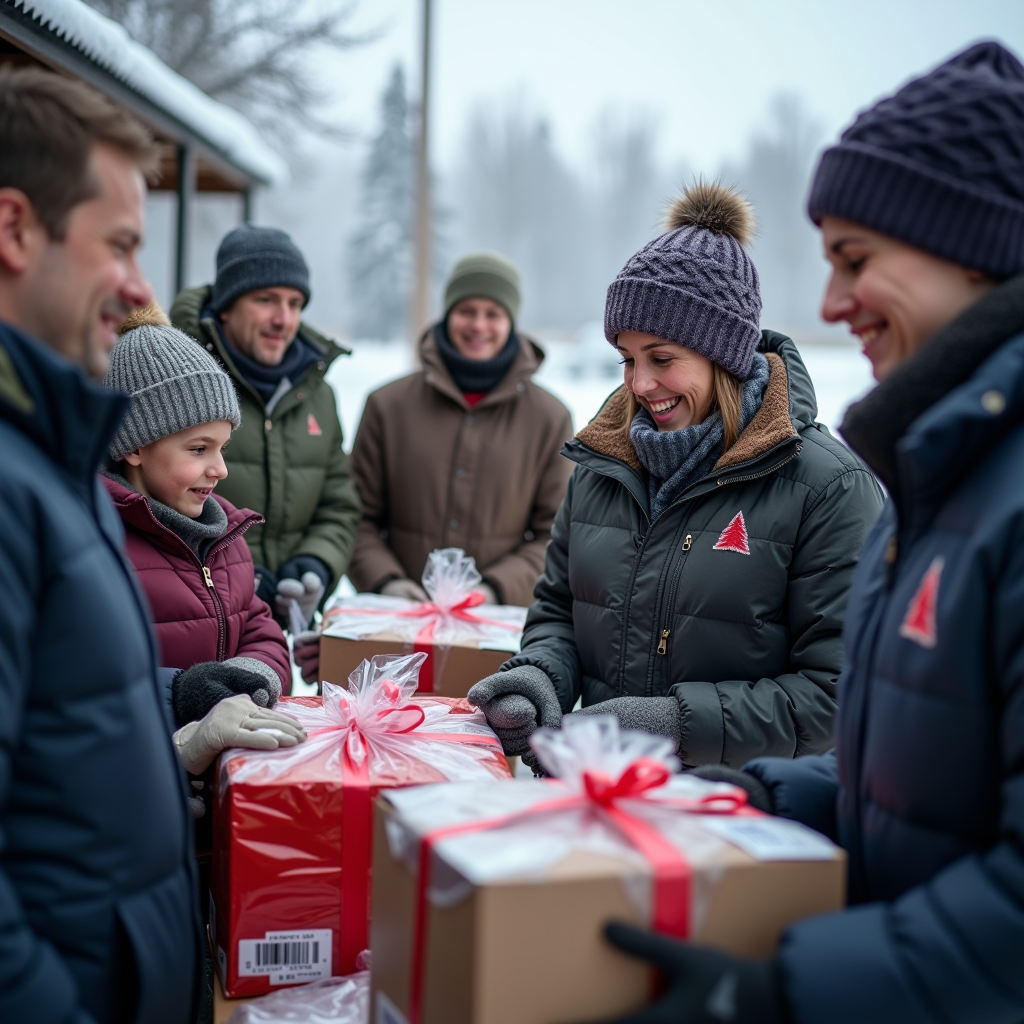
Throughout January 2026, our supply distribution operations reached unprecedented scale and efficiency. Working around the clock in challenging winter conditions, our teams coordinated the delivery of over 45,000 essential supply packages to displaced families across the region. Each package was carefully curated based on family size, specific needs, and seasonal requirements, ensuring that every delivery provided maximum benefit.
The winter supply packages included thermal blankets, insulated clothing for adults and children, heating fuel vouchers, and weatherproofing materials for temporary shelters. Recognizing that warmth is not a luxury but a necessity during harsh Eastern European winters, we prioritized cold-weather supplies while also addressing nutritional needs through non-perishable food items, water purification tablets, and cooking equipment suitable for temporary living situations.
Our medical supply initiative addressed critical healthcare gaps in underserved areas. We distributed 8,500 first aid kits, 12,000 units of essential medications, and established mobile health clinics in six locations. These clinics, staffed by volunteer medical professionals, provided basic healthcare services, health screenings, and referrals to specialized care when needed. The integration of healthcare into our humanitarian response reflected our holistic approach to supporting displaced communities.
Technology played a crucial role in optimizing our distribution efforts. We implemented a digital tracking system that allowed us to monitor supply chains in real-time, identify distribution bottlenecks, and respond quickly to emerging needs. This system also enabled us to maintain detailed records of assistance provided, ensuring accountability and helping us plan for future operations based on data-driven insights.
Educational Programs: Investing in the Future of Displaced Children
Education emerged as a cornerstone of our January 2026 mission, recognizing that displaced children face not only immediate hardships but also the risk of long-term educational disruption. We established seven temporary learning centers across the region, creating safe, structured environments where 1,843 children could continue their education despite displacement. These centers represented more than classrooms; they offered stability, routine, and hope during a period of profound uncertainty.
Our educational approach balanced academic instruction with psychosocial support. Certified teachers, many of whom were themselves displaced professionals, delivered curriculum-aligned lessons in mathematics, language arts, and sciences. Simultaneously, trained counselors provided trauma-informed care, helping children process their experiences through art therapy, play-based activities, and peer support groups. This dual focus addressed both the intellectual and emotional needs of young learners navigating displacement.
The learning centers were equipped with donated educational materials, including textbooks, writing supplies, computers, and interactive learning tools. We partnered with international education organizations to ensure that our curriculum aligned with both local educational standards and international best practices. This alignment facilitated smoother transitions for children who might eventually return to their home communities or relocate to new areas.
Beyond formal education, we launched vocational training programs for displaced adults, recognizing that economic self-sufficiency is essential for long-term stability. These programs offered instruction in marketable skills such as computer literacy, language training, and trade skills. By January's end, 342 adults had enrolled in these programs, taking important steps toward rebuilding their professional lives and supporting their families through dignified employment.
Shelter and Infrastructure: Creating Safe Havens in Crisis
Adequate shelter represents a fundamental human need, particularly during the harsh winter months that characterize Eastern European January weather. Our infrastructure initiatives focused on improving existing temporary shelters and establishing new facilities that met international humanitarian standards. Working with local construction teams and international engineering experts, we renovated twelve shelter facilities, improving insulation, heating systems, and sanitation infrastructure.
Each shelter renovation prioritized dignity and privacy alongside basic safety. We installed partition systems that allowed families to maintain private living spaces within communal facilities, recognizing that psychological well-being depends partly on having personal space. Improved lighting, ventilation, and accessibility features ensured that shelters accommodated diverse needs, including those of elderly residents and individuals with disabilities.
Water and sanitation infrastructure received particular attention, as these systems are critical for preventing disease outbreaks in crowded shelter environments. We installed water purification systems, upgraded bathroom facilities, and established waste management protocols that protected both residents and the surrounding environment. These improvements significantly reduced health risks and enhanced the overall quality of life for shelter residents.
Community spaces within shelters fostered social connection and mutual support. We created common areas where residents could gather for meals, children could play safely, and community meetings could take place. These spaces became vital for maintaining social cohesion and enabling residents to support one another through shared challenges, transforming shelters from mere survival spaces into communities of resilience.
Volunteer Mobilization: The Human Heart of Humanitarian Work
The success of our January 2026 mission depended fundamentally on the dedication of 487 volunteers who traveled from across the globe to serve displaced communities in Eastern Europe. These individuals brought diverse skills and backgrounds, united by a shared commitment to humanitarian service and international solidarity. Their contributions ranged from direct service delivery to logistical coordination, each role essential to the mission's overall success.
Before deployment, all volunteers completed comprehensive training covering cultural sensitivity, trauma-informed care, security protocols, and specific technical skills relevant to their assignments. This preparation ensured that volunteers could work effectively and safely while respecting the dignity and autonomy of the communities they served. The training also emphasized the importance of listening to local voices and adapting international best practices to local contexts.
Volunteer teams worked in shifts to maintain continuous operations throughout the month. Medical professionals staffed health clinics, educators taught in learning centers, logistics specialists managed supply chains, and community organizers facilitated support groups and recreational activities. This coordinated effort created a comprehensive support system that addressed multiple dimensions of displacement simultaneously.
The emotional impact of humanitarian work on volunteers themselves received careful attention. We provided regular debriefing sessions, peer support opportunities, and access to mental health resources, recognizing that witnessing human suffering can take a psychological toll. By supporting our volunteers' well-being, we ensured they could sustain their service throughout the mission and return home with positive experiences that would inspire continued engagement with humanitarian causes.
Looking Forward: Sustainability and Long-Term Impact
As our January 2026 mission concluded, our focus shifted toward ensuring the sustainability of the programs and infrastructure we established. Humanitarian work achieves its greatest impact when short-term interventions create foundations for long-term positive change. To this end, we developed transition plans that gradually transferred program management to local organizations, ensuring continuity while building local capacity for independent operation.
The educational programs we established will continue operating under local management, with ongoing support from the Knights of the Red Branch through teacher training, curriculum development, and material provision. We committed to maintaining these partnerships for a minimum of two years, providing sufficient time for programs to become self-sustaining while remaining responsive to evolving community needs.
Our infrastructure improvements represent lasting contributions to community resilience. The shelter renovations, water systems, and community centers will continue serving displaced populations and vulnerable community members long after our direct involvement ends. By investing in durable infrastructure rather than temporary solutions, we maximized the long-term value of donor contributions and created assets that communities can maintain and utilize for years to come.
The relationships forged during this mission extend beyond the immediate humanitarian response. We established ongoing partnerships with local civic organizations, creating networks for future collaboration on peace-building, advocacy, and community development initiatives. These relationships embody our commitment to international solidarity and our belief that sustainable peace requires sustained engagement, mutual respect, and shared commitment to human dignity.
The January 2026 mission to Eastern Europe demonstrated the transformative power of coordinated humanitarian action grounded in partnership, respect, and commitment to human dignity. Through the combined efforts of local communities, international volunteers, and civic organizations, we provided immediate relief while building foundations for long-term resilience and recovery.
Published by
Knights of the Red Branch Humanitarian Division